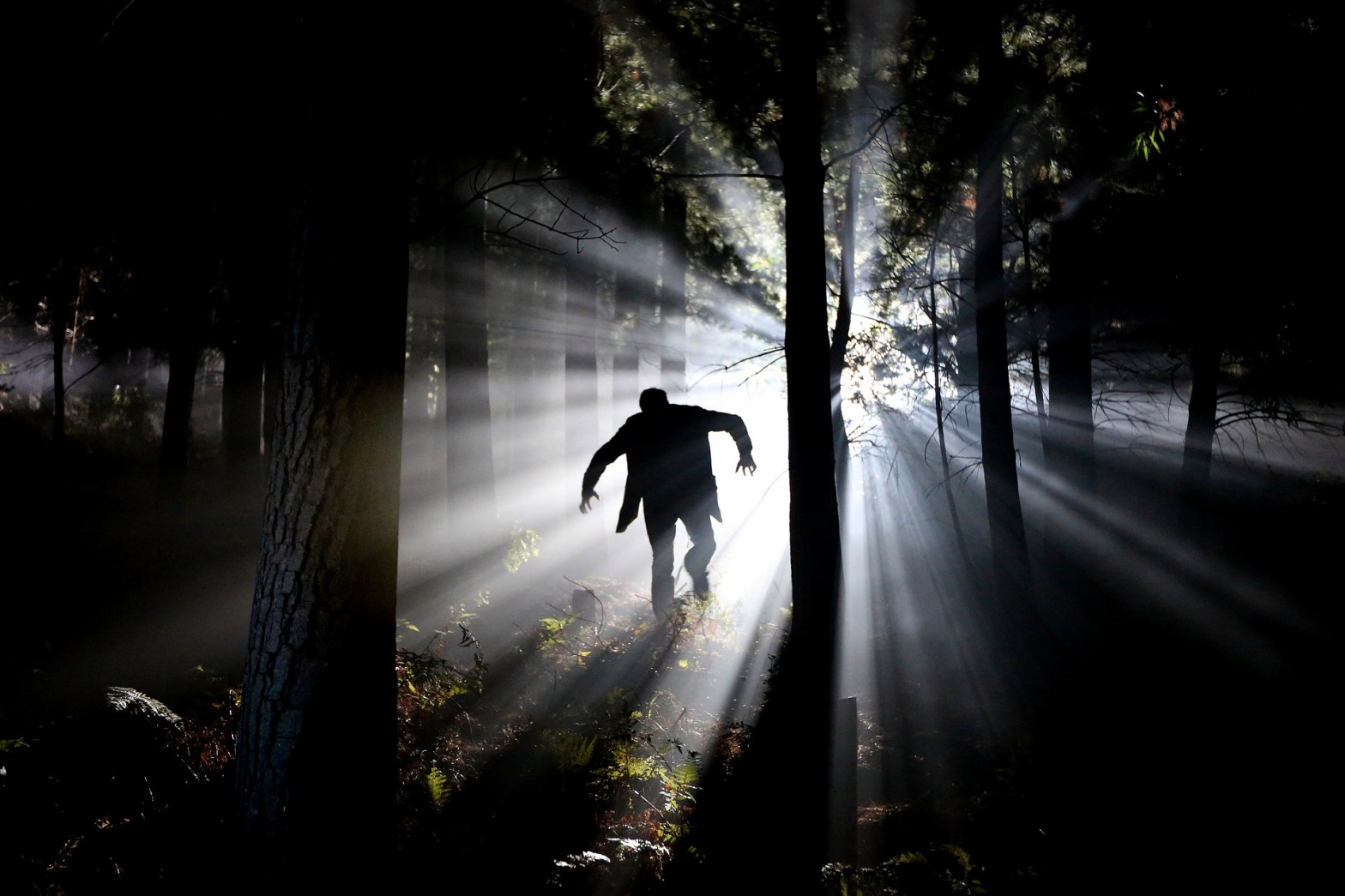
As the nights draw in and the autumn colours emerge, our thoughts turn to halloween and all things spooky. Stories of monsters have been told for generations throughout history and our continued fascination with monster’s peaks annually during Halloween celebrations. But what do monsters mean for us psychologically and what is their appeal in the modern world?
Facing our fears
With origins in myth, folklore and fairy tales, monsters can be said to present cautionary tales to teach survival skills around our most feared scenarios. Fairy tale monsters may discourage children from wondering alone into the woods for fear of encountering witches and wolves. More contemporary monsters in movies depicting the zombie apocalypse or being replaced by monstrous robots of our own creation may explore anxiety around consumerism, the historically rapid development of technology, disease and nuclear weapons. Psychologically, as we root for characters who battle with monsters in stories and movies, we may vicariously face our own worst fears and survive.
Monsters and the shadow side of the psyche
In a book and a recent paper discussing working with monster imagery that clients may discuss in therapy, I considered monsters as symbol and metaphor for unspoken or unprocessed, underlying, unacknowledged fears. I discussed Stephen Asma’s commentary in his 2009 book ‘On Monsters’, noting early depictions of monsters as toothed and clawed creatures in Greek mythology, likely representative of the dangers and evolutionary survival fears of the ancient world. The development of more psychological horror and sci-fi is perhaps more reflective of modern and post-modern existential angst. While we may be less likely to face a battle with a lion, we worry about climate change, pollution, threats of newly evolved illness and disease, cyber-threats and nuclear disaster. Monster stories may help us to confront our fear of death and to connect psychologically with our struggle for continued survival individually and as a species.
In my paper I considered the ways monster imagery may represent fears and feelings that we have not yet faced. I discuss psychologist Carl Jung’s idea that monsters are archetypal representations of the shadow side of our psyche, that symbolise our unwanted and unacknowledged feelings and destructive desires we may banish and disown because they are seen as socially unacceptable. Jung saw archetypes as symbolic figures that appear in stories, folk lore and religions across different cultures throughout history that represent different aspects of the self. Jung noted that the shadow-side archetype is often represented as an enemy or predator. We may create monsters as displacements of our own fears and desires and take pleasure in seeing the parts of ourselves we consider bad destroyed, through portrayals of vanquishing the monster.
Friendly monsters
Monsters can represent childhood fears and it can be a usual stage of development for children to imagine a monster under their bed, for instance. Stories of going on a journey and slaying a monster can also be a metaphor for growing up, leaving home and beginning to face the challenges of adult life. Monsters in children’s literature can also be friendly. Movies such as Monsters Inc show a child befriending the monster under their bed and in their closet, perhaps symbolizing befriending the feelings that the monsters represent as part of growing up. I propose in my paper that monsters in literature can serve as a guide for young protagonists to come to terms with their feelings.
Shining a light on Monsters
Psychologist Carl Rogers thought that unacknowledged experience can be a source of psychological distress. In my paper I propose that monsters can be a symbol or metaphor for unacknowledged experience, such as psychological trauma and grief that we have not yet worked through or processed. I explore how monsters represent fears surrounding cancer and terminal illness in movies such as A Monster Calls and The Shallows. I note that trauma experience confronts us with our mortality and fragility, bringing us into contact with a sense of horror, represented by monster imagery, that we experience when faced with danger that may feel threatening to our existence.
I ultimately propose that our fascination with monsters may be linked to an adaptive evolutionary drive to symbolise difficult experience into awareness for processing and meaning making. In therapy this happens as we talk through the trauma, grief or fears in a safe environment with a trained professional, who knows how to provide the right support. These initial imaged representations of fear states may begin a process of working through and making sense of difficult experiences psychologically, moving these feelings and experiences out of the shadows and into the light of awareness, towards recovery. In this way monsters may actually play a complex role in a human struggle to come to terms with overwhelming events.
You can find my book by clicking here and see my paper online here
Or see below:
Bio: Jenny is a therapist, mindfulness teacher and academic working in the east midlands area of the UK. Find more information here
All content copyright Jenny Hamilton 2021, all rights reserved.
 Jenny Hamilton Counselling